

Parks are often seen as simple green spaces within cities. Places to walk, relax, or let children play. Yet their impact goes far beyond recreation. Well-planned parks play an essential role in creating healthier environments and happier communities across the United States. They support physical health, mental wellbeing, social connection, and environmental balance.
In towns and cities nationwide, parks serve as shared spaces where people slow down and reconnect with nature and with one another. These everyday experiences shape the quality of community life.
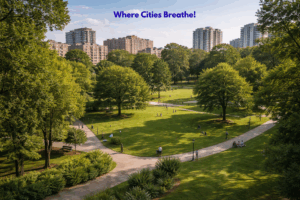
Supporting Physical Health in Everyday Life
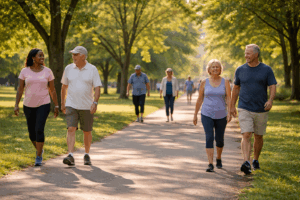
Easy access to parks encourages regular physical activity. Walking trails, bike paths, playgrounds, and open lawns make movement a natural part of daily routines. Research consistently shows that communities with accessible parks experience higher physical activity levels and improved overall health outcomes (World Health Organization).
For children, parks encourage active play and healthy development. For adults and older residents, they provide safe spaces for walking, stretching, and low-impact exercise. Parks reduce barriers to staying active by offering free, inclusive environments open to everyone (Centers for Disease Control and Prevention, https://www.cdc.gov/physicalactivity/basics/adding-pa/parks.htm).
Mental Wellbeing and Stress Relief
Spending time in green spaces has a proven impact on mental health. Studies link access to nature with lower stress levels, reduced anxiety, and improved mood (National Institutes of Health).
Parks offer quiet moments away from screens, traffic, and daily pressures. Sitting under trees, listening to natural sounds, or simply being outdoors helps restore focus and emotional balance. This is especially important in urban and suburban areas where stress-related health concerns continue to rise (NIH, https://www.ncbi.nlm.nih.gov/pmc/articles/PMC6334074/).
Strengthening Social Connection and Community Trust
Parks naturally bring people together. Morning walkers, families, community events, and casual conversations all contribute to stronger social bonds. These interactions help build trust and foster a sense of belonging.
Research shows that neighborhoods with active public spaces often experience higher civic engagement and stronger community ties (Project for Public Spaces). Parks act as social infrastructure, supporting connection in ways that feel organic and inclusive (https://www.pps.org/article/parks-people).
Environmental Benefits That Extend Beyond Park Boundaries
Parks provide important environmental benefits for communities across the U.S. Trees and vegetation help improve air quality, manage stormwater, and reduce urban heat. Green spaces play a key role in mitigating the effects of extreme weather and rising temperatures (U.S. Environmental Protection Agency).
As climate challenges grow, parks are increasingly viewed as essential infrastructure that supports resilience and sustainability (EPA, https://www.epa.gov/green-infrastructure/green-infrastructure-benefits).
Creating Safer and More Livable Neighborhoods
Well-used parks contribute to neighborhood safety. Regular activity increases visibility and encourages shared responsibility for public spaces. This presence can reduce antisocial behavior and improve perceptions of safety.
Maintained parks also signal care and investment, which strengthens neighborhood pride and long-term community wellbeing (National Recreation and Park Association).
Why Understanding Park Use Matters
As communities grow and change, understanding how parks are used becomes increasingly important. Usage patterns, peak hours, accessibility challenges, and maintenance needs all influence how welcoming and effective parks are.
For parks and recreation departments, data-driven insights help ensure resources are used wisely and equitably. Decisions guided by real usage patterns help parks better serve diverse communities.
This is where Varidx aligns naturally with the mission of parks and recreation. By helping teams understand how outdoor spaces are used, technology supports better planning while preserving the natural experience people value.
A Shared Investment in Health and Happiness
Parks are more than landscaped land. They are long-term investments in public health, environmental resilience, and community connection. When communities care for their parks and plan them thoughtfully, the benefits extend well beyond their boundaries.
Healthy environments help create happier communities. Parks remain one of the most effective and accessible ways to support both.