

Beyond Technology: Why Trust Matters in U.S. Transit?
Smart transit is reshaping mobility across American cities. From digital fare systems to AI-powered traffic control, the technology is there. But technology alone doesn’t guarantee adoption. If riders don’t feel safe, included, or confident in the system, even the most advanced networks struggle to succeed.
Recent programs highlight this challenge. In Minnesota’s Twin Cities, Metro Transit invested millions in a Transit Safety Intervention Project (TSIP), combining safety patrols, social outreach, and fare enforcement to rebuild public confidence. The message is clear: successful transit depends not just on infrastructure, but on trust.

Inclusion Through Communication
Smart transit thrives when no one is left out. Multilingual campaigns, accessible apps, and community partnerships ensure that immigrant and non-English-speaking riders can confidently use public systems. When riders feel informed and included, ridership grows and so does the impact of smart infrastructure.
Safety as a Cornerstone of Trust
Safety messaging, particularly for late-night commuters, has proven essential. From clear communication about lighting and staffing, to pilot programs where community groups accompany riders, these strategies show people that transit agencies understand their concerns. And when people feel safe, they ride more often.
Community-Centric Approaches Build Confidence
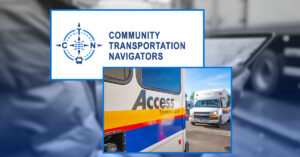
Cities that place people at the heart of smart transit are seeing results. Take King County, Washington, where Community Transportation Navigators, residents who reflect the diversity of the neighborhoods they serve, help riders navigate fares, routes, and resources. By making the system approachable and responsive, transit agencies earn trust in ways technology alone cannot.
Where Varidx Fits In
At Varidx, we believe smart transportation is not just about data, sensors, and algorithms, it’s about people. Our solutions help cities monitor and manage transit systems in real time, optimize routes, and improve safety. But more importantly, they give agencies the tools to connect with communities, build transparency, and foster the trust that makes technology work for everyone.
Final Word
Smart infrastructure can change how cities move. But the real transformation happens when people trust the systems built for them. That’s where technology and community meet and that’s where smart transit delivers its true promise.