
Air pollution doesn’t affect everyone equally.
Children playing outside during recess. Seniors on a morning walk. Families living near highways or industrial zones. In neighborhoods across America, millions breathe unhealthy air daily—often without knowing it. The reason? Lack of real-time, local air quality data that could empower communities to protect themselves and push for change.
Unequal Exposure, Unequal Outcomes
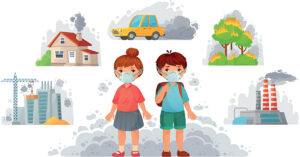
Low-income communities and communities of color are often located in pollution-prone areas—near heavy traffic, factories, or underregulated construction zones. Studies show that these communities face higher asthma rates, more frequent emergency room visits, and increased cardiovascular risks.
Yet many of these same neighborhoods exist in what experts call “monitoring deserts.” Without hyperlocal air sensors, residents are left guessing whether it’s safe to send their kids outside—or whether the air in their homes is harming their health over time.
From Passive Victims to Active Guardians
The good news? A new generation of community-deployed smart air sensors is closing that data gap.
In Denver, a coalition of parent groups, public health advocates, and school boards partnered to install low-cost air quality monitors on school rooftops. Now, teachers receive alerts when pollution spikes—enabling them to keep children indoors during dangerous episodes.
In California’s Central Valley, a region long plagued by smog and agricultural burn-off, grassroots groups are using real-time dashboards powered by IoT sensors to petition for buffer zones and emission policy reforms.
The Power of Community-Owned Data
Smart sensors deployed by local organizations—sometimes with university or nonprofit support—have become tools of empowerment:
- Parents are informed enough to reschedule outdoor activities.
- Elders can avoid exposure during peak hours.
- Community leaders can make stronger demands with credible, localized evidence.
What makes this shift possible isn’t just the sensor—it’s the platforms behind the scenes that analyze, visualize, and simplify vast amounts of data for public use.
How Varidx Helps Democratize Air Data
Varidx’s modular air monitoring platform is designed to empower non-governmental stakeholders—schools, nonprofits, housing associations, local health clinics—with access to rich, readable insights.
By integrating portable sensors, rooftop monitors, and even mobile data from volunteer fleets, Varidx enables:
- Custom dashboards tailored for specific community zones (like school districts or senior centers)
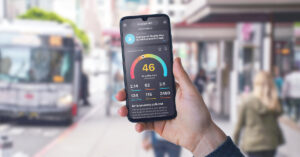
- Automated alerts during high-exposure events
- Historical reports to support health studies or local legislation
All without requiring deep technical expertise from users.
A New Model of Environmental Justice
Community-level air monitoring is more than a tech solution, it’s a shift in power.
It allows those most affected by pollution to measure it, visualize it, and act on it. With more transparent, hyperlocal data, vulnerable populations can become the drivers of healthier change—from safer school policies to cleaner urban planning.
As Jasmine Morales, Director of Community Health at GreenSky Alliance, puts it:
“You can’t ask for clean air if no one’s proving it’s dirty. These sensors are how we finally show the truth—and protect our people.”
Conclusion: Clean Air Belongs to Everyone
Clean air shouldn’t be a luxury, it should be a right. And with the rise of accessible, affordable, and intelligent air monitoring, we’re finally giving communities the tools to claim that right.
Whether it’s a school principal, a health clinic worker, or a neighborhood activist, data is their new ally.
At Varidx, we believe that the future of air quality isn’t just real-time, it’s community-driven.