
Cities invest heavily in roads, transit systems, flood defenses, sensors, and digital tools. Yet many of the problems residents experience every day feel unchanged. Streets still clog without warning, flooding disrupts neighborhoods with little notice, and critical infrastructure failures seem to appear out of nowhere. Despite all the spending, cities often find themselves reacting rather than preventing.
The problem is not a lack of infrastructure. It is delay.
Across city operations, delay has become one of the most costly and least discussed challenges. Not delays in construction timelines or funding approvals, but delays in awareness, coordination, and decision-making. When information arrives too late, even the best infrastructure cannot deliver the outcomes it was designed for.
When information arrives after the damage is done
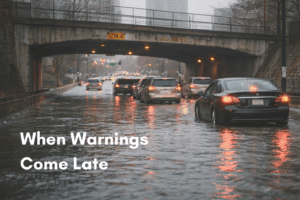
Many urban disruptions follow a familiar pattern. Traffic updates reach commuters after congestion has already peaked. Flood alerts are issued once streets are already underwater. Maintenance reports surface only after systems have failed and services are disrupted. In each case, the city technically had systems in place. Sensors were installed, data was collected, and dashboards existed. What was missing was timely insight that could change the outcome.
This gap between what is happening on the ground and when decision-makers become aware of it is often described as decision latency. It may not be visible to residents, but its effects are felt everywhere. It turns manageable situations into costly emergencies and routine issues into public crises.
Delay costs more than cities realize
The financial impact of delay rarely shows up as a single line item. Instead, it appears as:
- Emergency repairs that cost far more than preventive maintenance
- Overtime labor and extended response hours
- Economic losses from congestion and service disruptions
- Long-term erosion of public confidence
A flooded underpass doesn’t just damage infrastructure. It disrupts commutes, emergency access, and local businesses. A delayed traffic response doesn’t just slow vehicles. It increases emissions, accident risk, and public frustration.
In most cases, the damage wasn’t inevitable. It was the result of slow awareness and fragmented response.
The hidden cost of acting too late
The true cost of delay rarely appears in a single budget line. Instead, it shows up as emergency repairs that cost far more than preventive maintenance. It appears as overtime labor, extended response hours, and service disruptions that ripple through local economies. Over time, it also erodes public confidence, as residents lose trust in systems that feel perpetually one step behind.
A flooded underpass does more than damage infrastructure. It disrupts commutes, limits emergency access, and affects businesses and daily life. Traffic congestion does more than slow vehicles. It increases emissions, raises accident risk, and fuels public frustration. In many of these cases, the damage was not inevitable. It was the result of slow awareness and fragmented response.
How real-time intelligence changes outcomes
Reducing delay does not require cities to rebuild everything from scratch. It requires them to see, understand, and act faster. When cities operate with real-time intelligence, signals from traffic, weather, sensors, and operations are connected into a shared picture. Issues are detected as they form, not after they escalate. Departments coordinate around the same information, allowing decisions to be made in minutes rather than days.
This shift changes how cities operate. Instead of reacting to breakdowns, teams intervene earlier. Instead of managing crises, they manage flow. The result is not just faster response, but fewer emergencies in the first place.

Moving from reports to readiness
Many urban systems still depend on reports designed for analysis, not action. These reports are valuable for planning, but they’re ineffective during live operations.
What cities increasingly need is operational readiness:
- Continuous visibility into what’s happening now
- Predictive signals that highlight what’s likely to happen next
- Integrated views that cut across departmental silos
This doesn’t mean more dashboards. It means fewer, smarter ones. Ones that prioritize clarity over volume and coordination over complexity.
The quiet role of connected intelligence
The most effective urban technologies tend to work quietly in the background. They do not replace human judgment or frontline expertise. Instead, they support decision-makers by connecting data streams, highlighting patterns, and reducing blind spots. This makes it easier for teams to notice problems earlier, align faster across agencies, and act before issues turn into crises.
This is where platforms like Varidx fit naturally. By integrating fragmented data and making it usable in real time, they help cities reduce delay without overhauling existing systems. The value is not in flashy features, but in enabling faster awareness, smoother coordination, and timely action.
A smarter way forward in 2026
As cities plan for the year ahead, the most important question is not whether to invest in more infrastructure. It is whether they can use what they already have more effectively. The cities that perform best will not necessarily be those with the largest budgets or the most sensors. They will be the ones that see problems as they emerge, coordinate seamlessly across departments, and act early enough to prevent escalation.
Delay will always exist to some degree. But it does not have to define city operations. In 2026, the most impactful shift cities can make is not building more systems. It is acting sooner.