
Extreme weather is becoming the new normal across the U.S., flash floods, wildfires, and hurricanes now strike more often and more unexpectedly. Traditional systems, reactive alerts, manual monitoring, delayed damage reports, just can’t keep up. City infrastructure fails. Residents suffer.
But there’s a shift. Real-time feeds from IoT sensors, cameras, predictive modeling, and AI alerts are giving cities an edge. With faster info comes faster action, better protection, and saved lives. This blog explores how U.S. cities are preparing smarter, what tools are working, and how Varidx’s platform matches this need perfectly.
U.S. Cities Facing More Intense Storms & Wildfires
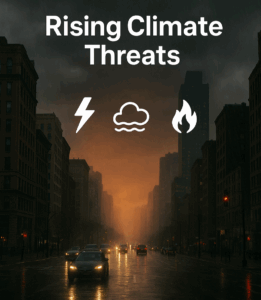
From Chicago’s intense rainfall in July 2023, which flooded roads and infrastructure across the metro area (causing hundreds of millions in damage), to widespread wildfires in Texas and California, extreme weather is no longer a once-in-a-decade event. Wikipedia+2Reuters+2
In many cases, damage is worsened by delays: sensors detect water too late, fire spread models fail to predict hotspots early enough, and communication between departments is fragmented. The result: missed warnings, evacuations too slow, infrastructure losses that could have been reduced with better data.
Real-Time Tech: Sensors, Predictive Models & AI Alerts
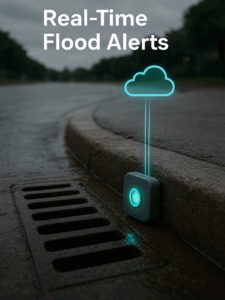
Cities are increasingly turning to IoT sensors for early detection. For example, New Orleans in 2024 rolled out over 20 flood sensors around the city to feed real-time data into maps and alert systems. Axios When water starts rising in critical low-lying areas, these sensors send alerts to city officials so they can act—route traffic changes, send warnings, or deploy pumps.
Wildfire prediction is also improving. Machine learning models now combine weather forecasts, vegetation dryness, human activity, and satellite data to more accurately predict where fires might start. A model called “Probability of Fire” created by the European Centre for Medium-Range Weather Forecasts showed that using these additional inputs gives much better pinpointing of ignition hotspots than older systems. ECMWF
Varidx and the “One Brain” Advantage
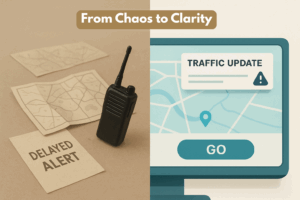
What makes all this work effectively is connection—linking weather data, street cameras, sensors, alerts, and predictive models into a single, cohesive view. That’s where platforms like Varidx play a role.
- Varidx can integrate diverse feeds—IoT water sensors, weather alerts, camera surveillance, and more—so city managers aren’t jumping between dashboards.
- This centralization enables faster decisions: knowing which road will flood, which wildfire ignition risk is rising, and where to deploy resources.
Varidx doesn’t just provide data; it enables situational awareness. In emergencies, a unified system matters—every second saved is infrastructure preserved and lives protected. Varidx
Challenges & What Needs to Improve
Even with these technologies, there are hurdles. Data quality is inconsistent: sensors fail, weather forecasts aren’t perfect, and predictive models may miss unexpected variables. Some models underestimated wildfire spread—like the Los Angeles “Eaton Canyon” fire in early 2025, where forecasts were off by a factor of ten in size. Reuters
Privacy, cost, maintenance, and interoperability between systems also pose challenges. Not all municipalities have the budget or technical staff to run large sensor networks or maintain AI models. Ensuring systems work in sync—weather data + sensors + cameras + response mechanisms—is complex and must be invested in beforehand.
What U.S. Cities Should Do Next
To really prepare for extreme weather, U.S. cities should:
- Invest in widespread, reliable sensor networks (flood sensors, ground moisture sensors, smoke detectors) across vulnerable zones.
- Use predictive modeling tools that combine real-time and historical data—weather, fuel moisture, land use.
- Centralize all feeds into a single operations center so decision-makers see everything at once.
- Prioritize early warning systems and citizen alerts.
These moves reduce response time, limit damage, and, most importantly, save lives.
Conclusion
Storms, floods, and wildfires are no longer distant threats—they are here, they are growing, and they strike fast. Real-time data, IoT sensors, predictive modeling, and AI alerts are no longer optional tech; they are essential tools for a resilient future.
Varidx offers a platform built for this age—one that connects sensors, weather, cameras, and alerts into a unified system. With better detection and faster decisions, U.S. cities can prevent disasters, protect infrastructure, and respond proactively rather than reactively.
If you lead a city, work in emergency management, or oversee urban planning—ask yourself: what data are you missing right now? And what if you could see everything you need, before disaster strikes?