
Smart transit isn’t just about installing sensors, apps, or automated trains. Its success depends deeply on whether people trust the system, to protect privacy, ensure safety, and serve everyone fairly. In American cities, the gap between technology and public acceptance is one of the biggest barriers to scaling transit innovation. Let’s explore how human-centered design, community engagement, and transparency become the backbone of a transit system people believe in—and how Varidx’s ethos aligns with that.
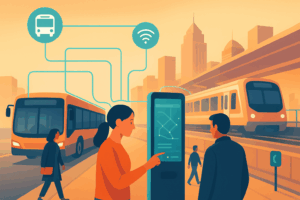
Community Engagement Builds Trust from the Ground Up
When cities involve residents early and often in transit planning, the result is more than just better infrastructure—it’s legitimacy. Projects with broad community input tend to gain stronger support and fewer pushbacks. In under-resourced neighborhoods, trust deficits often stem from historical neglect, so listening to local voices is essential. Pew Charitable Trusts
Effective engagement means more than public hearings. It means iteration and co-creation: gathering feedback, acting on it, and showing communities their input mattered. Some U.S. transit projects now deploy continuous outreach plans—workshops, surveys, mobile pop-ups—to keep communities in the loop as projects evolve. cityleadership.harvard.edu
Communicate Clearly—In Their Language, On Their Terms
Even the best technology can fail if people don’t understand it. Transparency in what data is collected, how it’s used, and who can see it is critical. In 2025, a survey on citizens’ trust in AI and smart city systems showed that opacity breeds fear—people want clarity around data and decisions. Sand Technologies
Multilingual communication, visual explanations, and regular updates are key. Cities that translate plans into the languages of their communities, use simple diagrams over jargon, and publish clear privacy policies reduce the “mystery factor.” This builds confidence before systems are even live.
Inclusive Design Means Every Rider Counts
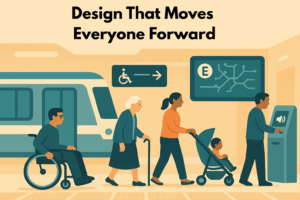
Smart transit must serve not just tech-savvy users but everyone—seniors, differently-abled, low-income riders, non-English speakers. That requires considering accessibility in every feature: easy-to-understand interfaces, voice options, tactile cues, safe transfer paths, and fare structures that don’t exclude marginalized groups.
When users see that transit systems were made with them in mind, adoption rises. In the U.S., transit agencies that pilot inclusive features early (e.g. universal design standards) often find fewer complaints and stronger loyalty from diverse communities.
Security and Privacy: Non-Negotiable Foundations
No matter how seamless a transit system feels, if people fear surveillance or data misuse, trust will collapse. Smart cities must anonymize data where possible, encrypt all communication, and limit access to sensitive details. The balance between innovation and privacy is challenging, but necessary. ITIF
Because transit systems are critical infrastructure, they are targets for cyberattacks. The National Cybersecurity Center of Excellence (NCCoE) has been working on frameworks to help transit agencies safeguard operational and information systems. NCCoE
Tying It All Together: The Varidx Way
At the end of the day, trust doesn’t come from tech specs—it comes from lived experience. Varidx’s human-centered design philosophy and commitment to transparent data handling let cities deploy with dignity, not demand. By placing trust-building at the core—from community engagement and inclusive design to clear communication and hardened security—Varidx systems become not just tools, but credible infrastructure. (https://varidx.io/)
When transit projects begin with people, and maintain that focus through launch and beyond, they don’t just run—they win hearts. And in the U.S., where transit competition is fierce and skepticism runs high, that difference can decide whether a smart system lives or dies.
Conclusion
Smart transit in the U.S. isn’t a technology problem—it’s a trust problem. Cities can install cutting-edge sensors and apps, but unless people believe the system is safe, fair, and transparent, adoption will stall. Building trust requires consistent community engagement, clear communication, inclusive design, and uncompromising security. Companies like Varidx highlight how putting people at the center can transform tech rollouts into systems that communities embrace. In the end, public confidence isn’t just nice to have—it’s the real infrastructure that will determine the future of smart transit.