

The Crisis You Can’t See: How Missing Data Derails Smart Cities
When a city doesn’t know what’s happening, it can’t act, not fast enough, not smartly enough, and often, not at all. Floodwaters rise before alerts are issued. Air turns toxic before sensors detect it. Roads become accident hotspots long before planners take notice. These aren’t failures of intent, they’re failures...
Read More
Why the Future of Community Safety Depends on Smart Sensing
Public spaces are the pulse of every community, places where people walk, play, drive, and connect. Parks, trails, and recreation areas make cities more livable, but keeping them safe and efficient is becoming harder every year. Limited staff, unpredictable weather, tighter budgets, and rising visitor numbers all stretch local resources....
Read More
Trust as Infrastructure: Why Public Confidence Decides the Future of Smart Transit in the U.S.
Smart transit isn’t just about installing sensors, apps, or automated trains. Its success depends deeply on whether people trust the system, to protect privacy, ensure safety, and serve everyone fairly. In American cities, the gap between technology and public acceptance is one of the biggest barriers to scaling transit innovation....
Read More
From Parking Chaos to Smart Curb Management: The Next Urban Frontier in the U.S.
For decades, U.S. cities have wrestled with gridlock caused not only by moving cars but also by the way we manage parked ones. Studies show that up to 30% of urban traffic comes from drivers circling in search of a parking spot. The costs are staggering: wasted fuel, more emissions,...
Read More
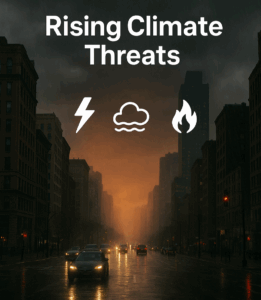
Can U.S. Cities Outsmart Storms and Wildfires With Real-Time Data?
Extreme weather is becoming the new normal across the U.S., flash floods, wildfires, and hurricanes now strike more often and more unexpectedly. Traditional systems, reactive alerts, manual monitoring, delayed damage reports, just can’t keep up. City infrastructure fails. Residents suffer. But there’s a shift. Real-time feeds from IoT sensors, cameras,...
Read More
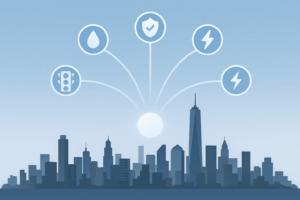
Beyond the Dashboard: Why U.S. Cities Need Integrated Command Centers
In many U.S. cities, government agencies run dozens of dashboards: traffic monitoring, water system status, public safety alerts, utility usage, etc. Each works well on its own. But when they don’t talk to each other, inefficiencies emerge. Disparate dashboards create blind spots. Decision-makers waste time jumping between systems. Emergencies that...
Read More

How AI and Machine Learning Are Redesigning the U.S. Landscape
The U.S. faces a shifting environmental terrain: sinking coastal cities, rising temperatures, and evolving land use demands. Traditional landscape planning no longer keeps pace with these changes. Every city’s green spaces, parks, and open areas must now adapt in real-time, stay sustainable, and serve shifting urban needs. That’s where AI...
Read More
Smart Transit Doesn’t Work Unless People Trust It
Beyond Technology: Why Trust Matters in U.S. Transit? Smart transit is reshaping mobility across American cities. From digital fare systems to AI-powered traffic control, the technology is there. But technology alone doesn’t guarantee adoption. If riders don’t feel safe, included, or confident in the system, even the most advanced networks...
Read More

Building Smarter Transit with IoT: Varidx Summer Internship Spotlight
At Varidx, we believe internships should go beyond observation — they should let students roll up their sleeves, solve real challenges, and help shape practical outcomes. We encourage our interns to put their skills into action and see the difference they can make. This past summer, our internship program welcomed...
Read More
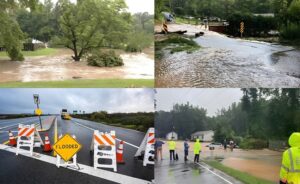
US Flood Readiness: How Cary and the Triangle Can Lead with Smart Water Management
In early August 2025, Cary, Apex, and surrounding Triangle communities were hit by a relentless downpour that turned roads into fast-moving streams. Cary recorded more than 8.6 inches of rain in just two days, and Apex measured 6.28 inches (WRAL). Downed trees blocked major roads, power outages affected hundreds of...
Read More
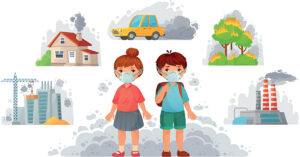
Smarter Skies, Safer Lives: How Community-Level Air Monitoring is Closing the Health Gap
Air pollution doesn't affect everyone equally. Children playing outside during recess. Seniors on a morning walk. Families living near highways or industrial zones. In neighborhoods across America, millions breathe unhealthy air daily—often without knowing it. The reason? Lack of real-time, local air quality data that could empower communities to protect...
Read More
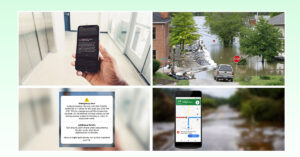
From Rainfall to Rescue: How Smart Flood Monitoring Is Protecting U.S. Communities
In July 2025, heavy rains from Tropical Depression Chantal led to a flash flood emergency in Orange County, North Carolina. Nearly a foot of rain fell in just hours—prompting over 60 swift water rescues, road shutdowns, and evacuations. This wasn’t just a freak weather event; it was a glimpse into...
Read More

Next Stop: Cleaner Air Across America
Cities across the U.S. increasingly face air quality challenges—from asthma-prone neighborhoods to wildfire haze warning systems. Traditional monitoring systems rely on sparse, fixed-location sensors that offer incomplete coverage. New technology brings air quality sensors to the most-used urban infrastructure—bus stops—transforming them into localized, real‑time air monitors. Air Pollution Increasing Everyday...
Read More
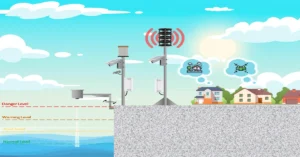
Why Flood Monitoring Matters More Than Ever In The US
Across the United States, the frequency and severity of flooding events are on the rise, impacting communities that may have never experienced major water-related disasters before. From overwhelmed drainage systems in growing suburbs to increasingly unpredictable storm paths, local governments and emergency teams are under pressure to respond faster and...
Read More
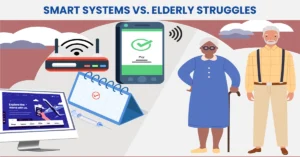
Smart Mobility Isn’t Equal for Everyone — Here’s How to Change That
Modern mobility promises speed, convenience, and sustainability. But across the U.S., digital-only transit models—like app-based ticketing or mobile-exclusive fare systems—are leaving millions behind. As cities push for smarter transit, they must ensure solutions are inclusive of all demographics, including those who are unbanked, digitally underserved, or elderly. Otherwise, the tech-forward...
Read More
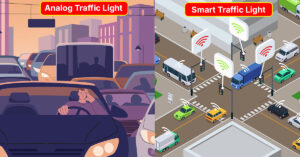
The Hidden Roadblock in Smart Transit: Outdated City Policies
Modernizing transit isn't just about technology—it's about updating the rules that govern it. Across the U.S., outdated city policies often delay the adoption of Adaptive Traffic Control Systems (ATCS) and digital fare systems. These policy barriers stall progress, frustrate riders, and waste public funding. A better path forward is modular:...
Read More
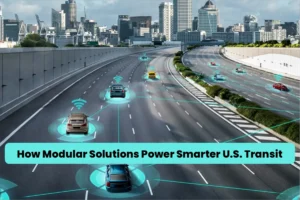
Why Modular Solutions Are the Key to Smarter U.S. Transit Investments
As U.S. cities adopt next-gen transit tech, many early deployments falter—not because the vision is flawed, but because rigid, monolithic systems can’t keep up. Instead, modular, phased investments are emerging as the smarter, more resilient approach. These adaptable solutions help transit agencies reduce risk, implement upgrades over time, and match...
Read More
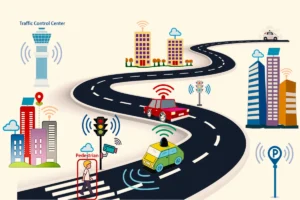
Red Light, Green Light, Smart Light: The Future of Traffic Control
Adaptive Urban Mobility System You're rushing to an important meeting, and you hit every single red light on Main Street. Sound familiar? What if those traffic lights could actually see you coming and adjust accordingly? Adaptive signal control dynamically adjusts traffic light timing based on real-time data from sensors and...
Read More
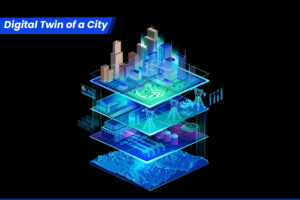
Digital Twins in U.S. Cities: Building Climate Resilience and Infrastructure Reliability with Predictive Insights
As climate change intensifies and infrastructure ages, American cities are turning to digital twin technology to enhance resilience and reliability. By creating dynamic, virtual replicas of physical assets, cities can simulate stress scenarios, predict maintenance needs, and respond proactively to environmental challenges. This approach aligns with federal initiatives like FEMA’s...
Read More
AIoT in U.S. Cities: Delivering Hyper-Personalized Urban Services Through Smart Infrastructure
AIoT is Redefining Public Service Delivery Across the United States, cities are embracing the fusion of Artificial Intelligence (AI) and the Internet of Things (IoT)—collectively known as AIoT—to revolutionize public services. This integration enables real-time data analysis and responsive urban management, aligning with national objectives like the President’s Management Agenda...
Read More